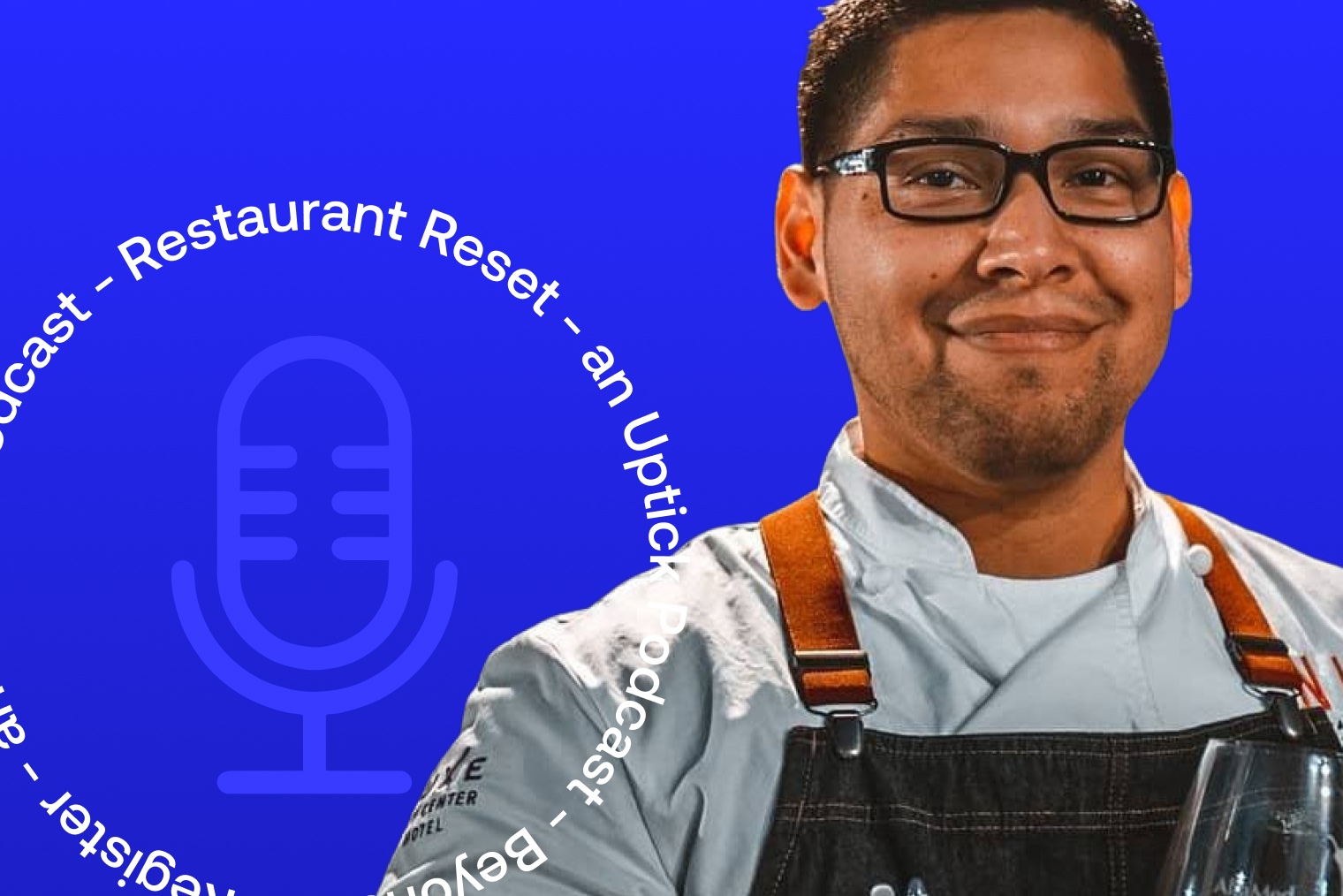
Ben Diaz spent months growing carrots.
Leafy, green tops dotted his chef’s garden and swayed in the breeze. From above, they looked perfect, ideal for harvesting and incorporating into his signature farm-to-table dishes. But when his team finally pulled them from the soil, they found nothing but nubs. Gophers had eaten every single carrot from below.
It’s a story Ben laughingly compared to an old cartoon gag. But it's also a striking metaphor for what it takes to run a successful restaurant. Just because everything looks great on the surface — the beautiful Instagram feed, the chic dining room, the premium menu items — doesn’t mean it is. Underlying systems, processes and relationships have to be solid, too.
A chef with over 20 years in the industry, Ben has worked everywhere from high-volume hotel kitchens to his own concept. We sat down for this episode of Restaurant Reset to talk about what he’s learned over the course of his career and how struggling restaurants can become sustainable ones.
If you’re thinking about opening your own place (or you already have and find yourself somewhere in the messy middle), this episode is for you.
Check out a few of the highlights.
Why is making the leap from chef to operator so difficult?
Long before Ben grew carrots, he was headed to UC Berkeley to become a pharmacist. Instead, he followed a girl to culinary school and discovered the beauty of cooking and hospitality. Over time, Ben's place on the line turned into a seat in the back office.
Along the way, he figured out that the skills that make a great chef, like creativity, passion and perfectionism, aren't the same skills that make for a successful restaurant operator. The knowledge you need to succeed is different, too. The operational fundamentals that keep a business alive aren't always taught alongside epicurean technique.
"You don't know what you don't know. And that's the hardest thing," Ben said. Overcoming that challenge and getting back on track is easier than it seems. Learn by asking questions and bringing in people who know more than you. Start by gaining insights from successful peers or hiring consultants.
If getting help feels like admitting defeat, Ben suggested, "You're not failing. You're being smart. You know what you have and you don't want to lose it."
What is the fastest way to start implementing systems inside of a restaurant?
Relying on hard-won wisdom is crucial. Implementing systems that can help you make data-driven decisions, no matter the size of your operation, is too.
"The biggest reason I see restaurants fail at systems is because they say, 'Oh, we're small. We don't need that. We're not Cheesecake Factory,'" Ben explained. "And I'm like, how do you think they got that way? They built systems."
He's walked into restaurants where the owner is tracking everything in pen and paper. No inventory system. No way to know if they're actually making money on a dish or losing their shirt.
Implementing basic tracking and reporting is the fastest operational fix Ben makes. That often means setting up a proper restaurant POS system that captures data and shows owners where they're hemorrhaging money.
The resistance he encounters is common. Operators think systems are expensive, complicated or only necessary for big chains. But as Ben points out, "In this business, we live and die by information. You can't fix what you can't see. And if you're not tracking your costs, your inventory and your actual margins, you're flying blind."
Managing the details more efficiently will make taking steps to creatively stretch every dollar and minimizing waste gets easier.
How should independent restaurant operators work with distributors?
Distributor relationships can make or break an independent restaurant and Ben has a clear playbook for managing them.
Start by prioritizing consistency. Can they get you the product on a regular basis? Is the pricing stable, or are you paying $19 per pound one week and $33 the next?
Be realistic about what tier product you can actually afford. "I might love a certain brand, but I'm not in a position to be at that brand level yet," Ben explained. "That's an A-tier brand. Maybe I can go with a B-plus brand — still recognizable, still good but something I can afford while I build myself up."
This is where a lot of operators get into trouble. They want to serve the best of everything, but the math doesn't work. Start with smaller, local brands Ben suggests. Build relationships at farmers markets. As you grow, those brands grow with you. "It becomes a symbiotic relationship instead of one-sided," he said.
And here's a smart move: When you do use premium brands, share that with guests. "If I'm the only one using the brand and nobody knows we're using it, what's the point?" Ben asks.
He lists Circle Five Ranch steaks and produce from local farms right on the menu. It becomes a talking point, builds credibility and supports the local producers who are supporting him.
How can restaurant operators successfully manage brand partnerships?
Start with Ben's first question he asks when a company approaches him about partnerships. "Why do you want to work with me?" Understanding the mutual benefit up front is important.
Identify if the product is something you can incorporate into your day-to-day use, Ben suggests. People sense when a partnership isn't genuine and it can damage credibility fast.
Being choosy matters. "I see chefs who are brand ambassadors for three or four different chef coat companies," Ben said. "You can't decide who you're highlighting. It's a conflict of interest and you're not building brand recognition or relationships."
Be humble and direct when reaching out to potential partners Ben suggests. "I don't mention money yet. I say, 'I'd love to partner with you. This is what I can do. This is what I've done with other brands. Let's build this relationship for a year, and then we can talk about other products, bonuses, payouts.' It's about being honest about what you want."
What does the future look like for independent operators?
When I asked Ben what's on the horizon for independent restaurants, his answer was twofold.
Challenges aren't going away. Labor and ingredient costs will continue to fluctuate wildly. Competition will continue to be fierce. Customers will always have endless options. But Ben believes the operators who will thrive are those who embrace systems, stay humble and focus on what they can control.
"You need to find ways to be creative, capture more revenue and build relationships — with your staff, your suppliers, your community."
Ben also sees opportunity in authenticity. Customers are tired of corporate concepts that feel manufactured. They want real food from real people with real stories. If you can deliver that while also running a tight operation, you have a competitive advantage.
What can restaurants do right now to improve operations?
Use these four actionable moves you can make immediately based on everything Ben shared:
- Implement basic tracking systems. If you're still using manual or paper-based processes for inventory and ordering, invest in a proper POS system that captures data. You need to know what's actually moving, what's profitable and where you're losing money. This is important foundational work.
- Audit your waste. Spend a week tracking everything you throw away. Then get creative about how to use it. Build the habit of maximizing every ingredient before you even think about cutting menu items or raising prices.
- Review your distributor relationships. Are you getting consistent product at stable prices? Are you tracking what you're actually using versus what you're ordering? If you can't answer these questions, you're probably losing money. Rely on your POS to start.
- Build relationships with local producers. Start small. Go to farmers markets. Find one or two local farms or producers whose products you love and whose values align with yours. Feature them on your menu. As you grow, those relationships will become more valuable and sustainable than trying to source everything yourself.
Grow with some of the resources mentioned
The bottom line (and additional insights you shouldn’t miss)
My conversation with Ben made it clear: Running a restaurant well requires passion and pragmatism — two things that don't always go together. But if you can love what you do enough to push through the hard days and be practical about the operational realities of running a business, success is possible.
If you’ve enjoyed this episode and are looking for more insights from restaurant industry pros, check out the Restaurant Reset, wherever you listen to podcasts: